Well, it’s been considerably longer since my last post than I’d hoped but I have made some progress on the Sopwith Camel in the interim, despite illness, and the model is looking good, even if I do say so myself.
As all of the rest of the wings are pretty much the same story as far as building them goes, I’ll cover them all under one post on here.
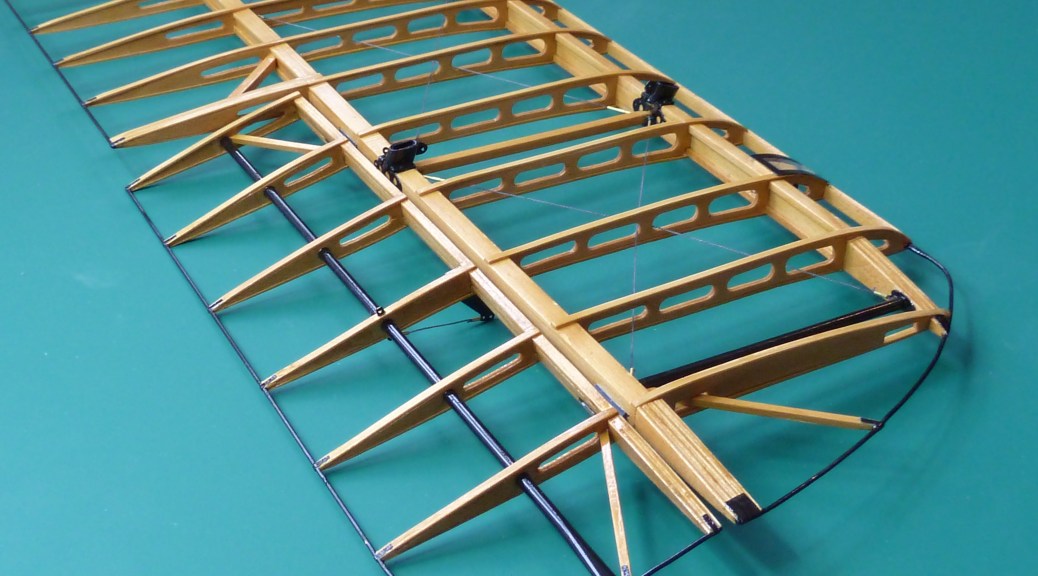
Next up was the lower port mainplane. The idea was that I could use it to prototype the changes I intended to make to the basic model, and if it didn’t go well they’d end up being covered up anyway as that is the side of the model which will be finished complete. Continue reading SOPWITH CAMEL F1 – HASEGAWA 1:8 (PART 7) MAINPLANE ASSEMBLY→
Now we are starting to get into the main parts of the build: The port upper main plane. This is another part of the build which is being done out of sequence. It’s also the last part that has already been commenced by the chap who originally bought the model. Continue reading SOPWITH CAMEL F1 – HASEGAWA 1:8 (PART 6): Port Upper Mainplane→
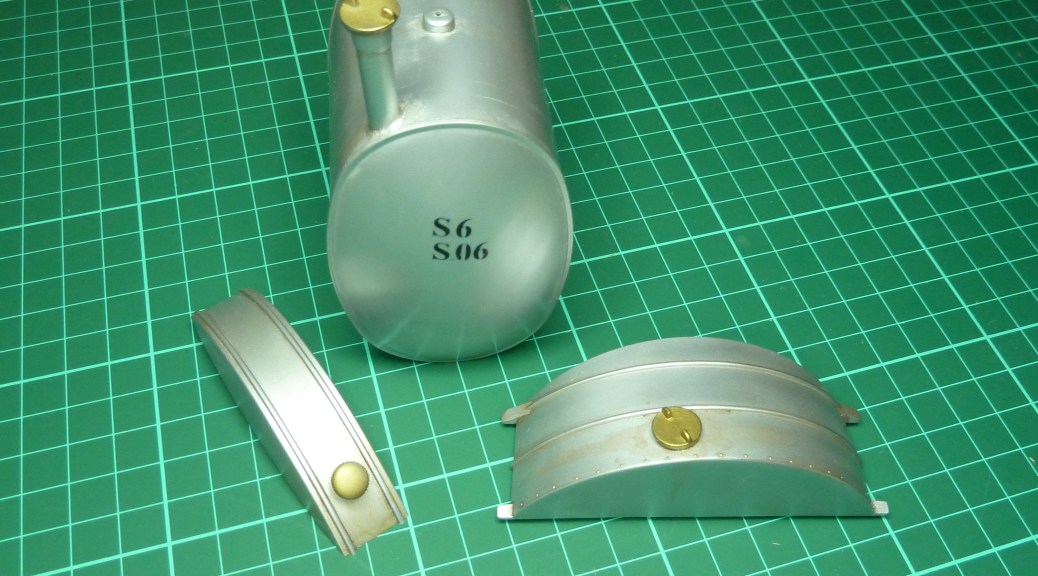
When I received the Sopwith model the main fuel tank was one of the components the previous chap had already assembled and painted. Unfortunately the brush painted finish wasn’t the best, so I decided to remove it and redo the whole thing. Continue reading SOPWITH CAMEL F1 – HASEGAWA 1:8 (PART 5): Fuel Tanks→
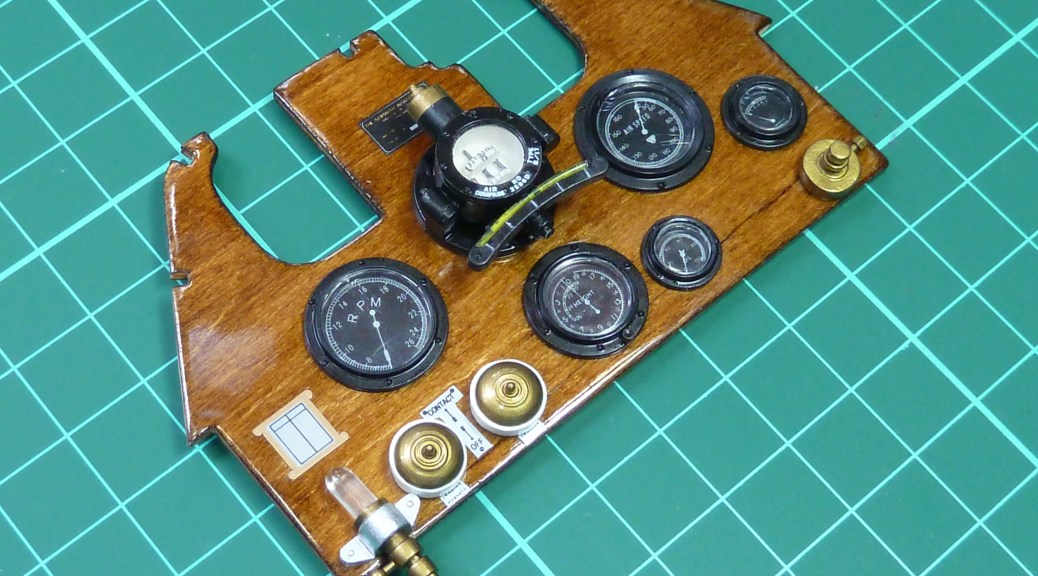
As a bit of light relief, and also to put off the time when I have to embark on the main structure of this camel, I decided to assemble the instrument panel. (You will have noticed by now that any adherence to Hasegawa’s recommended build sequence is purely accidental). Continue reading SOPWITH CAMEL F1 – HASEGAWA 1:8 (PART 4): Instrument Panel→
The saga of the wheels became a bit more involved than I expected. The ones in the kit are simple two piece affairs that depict the wheels in their covered form with some faux spokes and valve showing through a cut-out in the fabric
In the post about the Clerget engine I mentioned completing the propeller and said I’d cover it in a later post, so here we are. I’ve included the wing struts too as they were done in parallel.
The prop and wing struts are parts of the model that catch your eye so I wanted to make sure that they had visual impact. To achieve it I opted for a high gloss, deep mahogany coloured finish. In fact glossier than the real thing probably.
The first part of Hasegawa’s Sopwith Camel kit is the Clerget 9B engine. The kit I’d bought was second hand and the previous owner had already assembled most of the engine, and not to a standard I was happy with. However, the lady selling the model said that there was also a separate unstarted Clerget engine model available that she would include for free. Top stuff! Continue reading Sopwith Camel F1 – Hasegawa 1:8 (Part 1), Clerget 9B Rotary Radial Engine→
Many years ago, 20+ in fact, I went into a model shop in Hull, England and hanging from the ceiling above the counter was a truly magnificent model of an S.E.5a WWI bi-plane. The model was huge, as far as I was concerned, and finished without fabric covering so you could see all of the rigging, spars, ribs etc. I was utterly impressed. Continue reading Sopwith Camel F1 – Hasegawa 1:8→



 MBIQ Models